
Joana Kirilova
Best Season to Visit Sofia - A Local's Honest Breakdown (2026)
When should you visit Sofia? A local season-by-season breakdown of weather, prices, nightlife, and events to help you pick the right time.
You've booked flights to Sofia. Or you're about to. But you keep second-guessing the dates because every travel blog gives you a different answer about when to go. Spring for sightseeing, summer for festivals, autumn for fewer crowds - sure, but what does that actually mean for your trip?
Here's the thing: Sofia is a year-round city. But each season hits differently depending on what you're after. This is the breakdown nobody else gives you - written by people who've spent over a decade showing visitors around Sofia's bars, streets, and back alleys.
Spring in Sofia (March - May) - The Sweet Spot for First-Timers
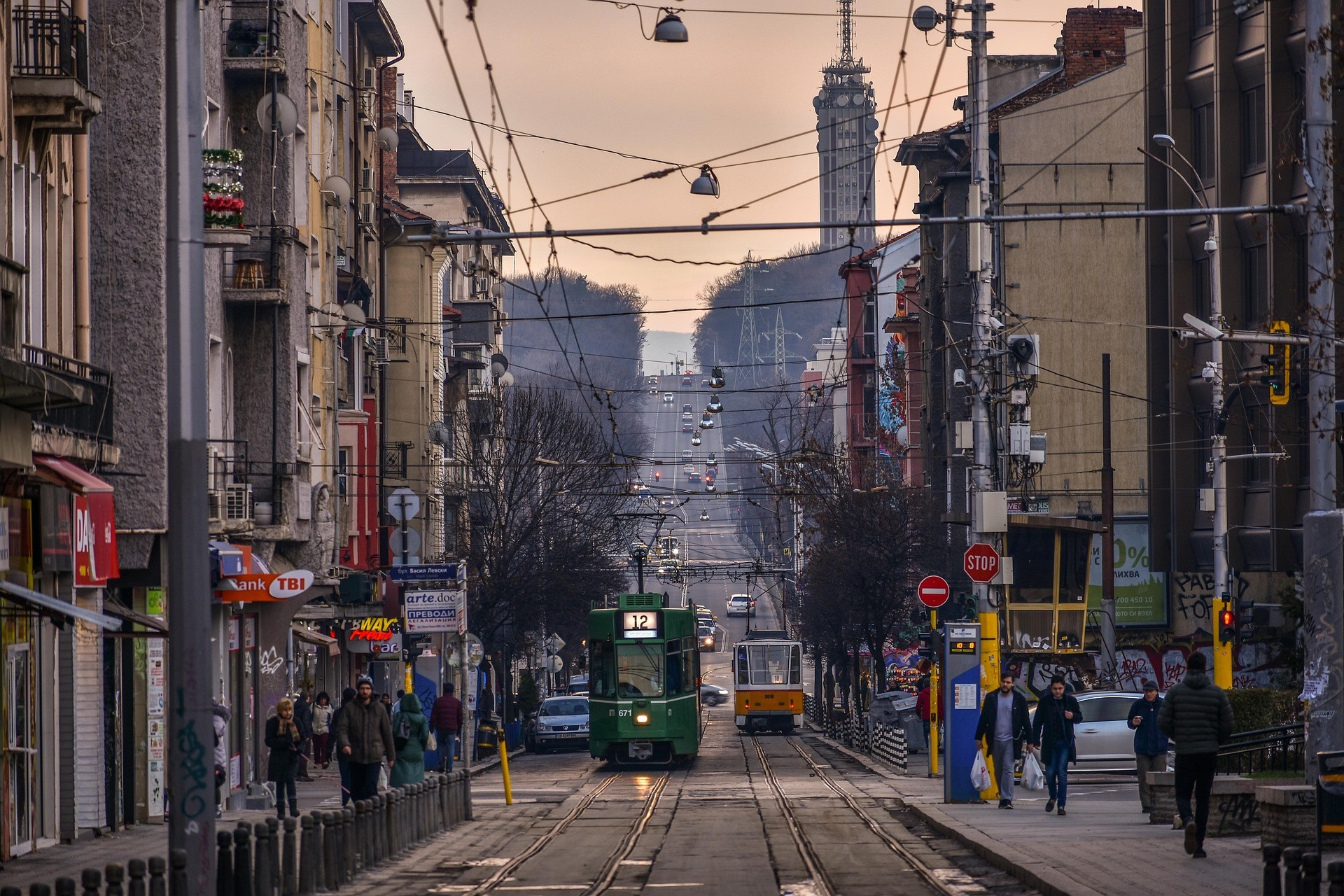
Spring is when Sofia shakes off winter and starts to feel alive again. March can still be cold and grey - think 7-12°C and the occasional rainy spell. But by mid-April, the city transforms. Temperatures settle around 15-20°C, outdoor terraces start opening, and the parks fill up with locals who haven't seen the sun since November.
May is arguably the best single month to visit Sofia. The weather is warm enough for t-shirts during the day (low 20s), rain is possible but rarely sticks around, and tourist numbers are still manageable. You won't be fighting for a table at the good restaurants or waiting in line at Alexander Nevsky Cathedral.
The Sofia International Film Festival runs in March, drawing film lovers from around Europe. Orthodox Easter often falls later than Western Easter and brings the city to a slower, more reflective pace - some shops close, but the church services are worth experiencing even if you're not religious. By late May, the Rose Festival kicks off in nearby Kazanlak, and the entire country starts leaning into summer mode.
For nightlife, spring is solid. The bars in the center are lively on weekends, university students are still in town and keeping the scene energetic, and you can walk between spots without freezing or sweating. It's a great time to explore Sofia's best bars without needing to plan around weather.
Weather: 7-22°C depending on the month. Layers are your friend
Crowds: Low to moderate. Picks up in May
Prices: Shoulder season - flights and hotels are reasonable
Best for: Sightseeing, walking tours, bar-hopping, photography
Summer in Sofia (June - August) - Cheap Nights, Hot Days, Empty Streets
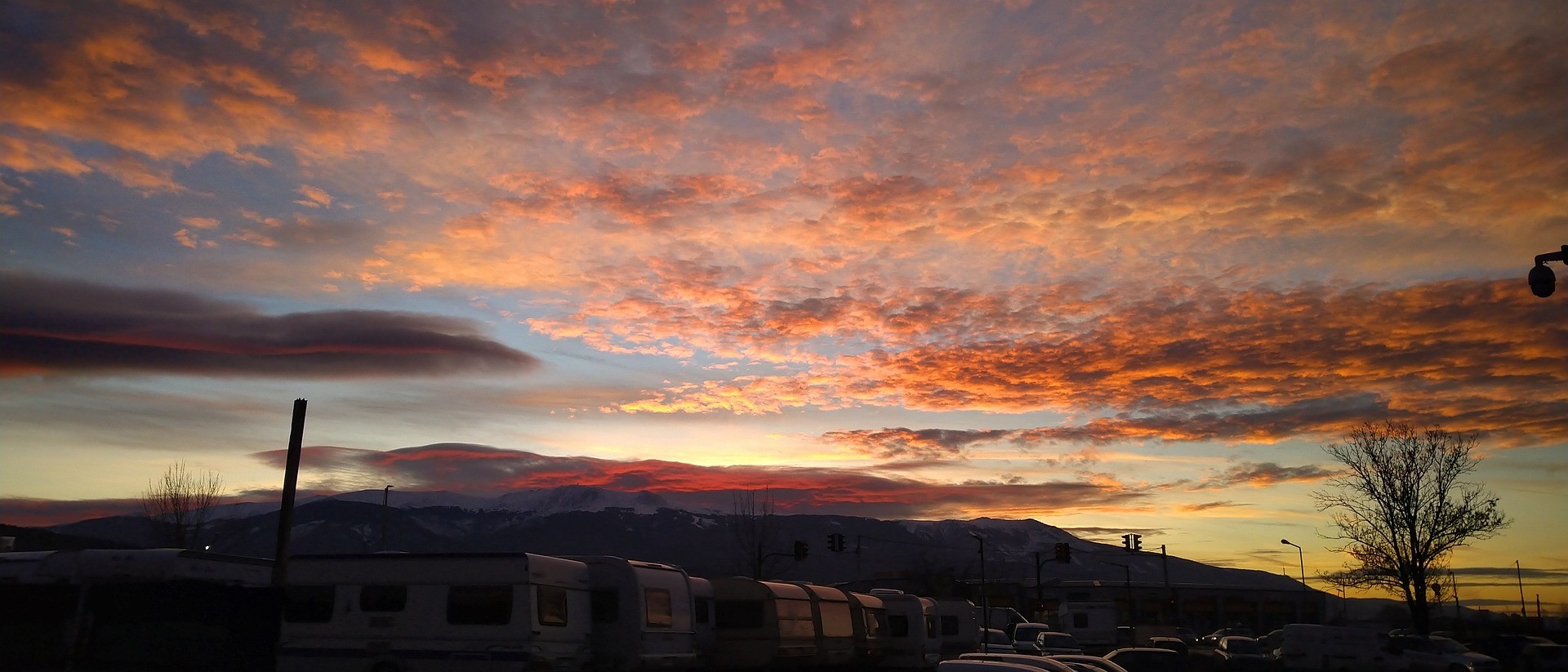
Summer catches most visitors off guard. Sofia gets hot - genuinely hot. July and August regularly push past 30°C, and walking around the city center at midday can feel like a punishment. But here's the twist that most travel guides skip: Sofia empties out in summer. Bulgarians abandon the capital for the Black Sea coast, which means the city belongs to tourists and the locals who stayed behind.
This has pros and cons. On the upside, you'll have shorter queues everywhere, easier restaurant reservations, and a more relaxed atmosphere. The outdoor bar and terrace scene is at its peak - spots like the garden bars near the National Palace of Culture become open-air gathering points that stay busy until 2 or 3 AM. If you want to know where locals actually drink in Sofia, summer is when those garden bars really shine.
On the downside, some smaller local restaurants and businesses take their own holidays. June also brings the most rainfall of any month, which usually arrives in short, heavy afternoon storms rather than all-day drizzle.
The festival calendar heats up too. The A-Z Jazz Festival hits Sofia in August, the AURA Festival and Sofia Live Festival take over venues in June and July, and open-air concerts pop up across the city's parks. If live music matters to you, summer delivers. Check out what's on at Sofia's best live music bars to round out the experience.
For nightlife, summer means longer nights, outdoor club terraces, and a more international crowd at the bars. The clubs don't slow down just because locals are at the beach - they pivot toward tourists and expats, and the energy stays high.
Weather: 20-35°C. June is wetter. July and August are dry and hot
Crowds: Surprisingly thin for a capital city. Bars stay busy though
Prices: Peak season for flights but Sofia itself stays cheap
Best for: Nightlife, festivals, outdoor terraces, budget travelers
Autumn in Sofia (September - October) - The Local Favourite
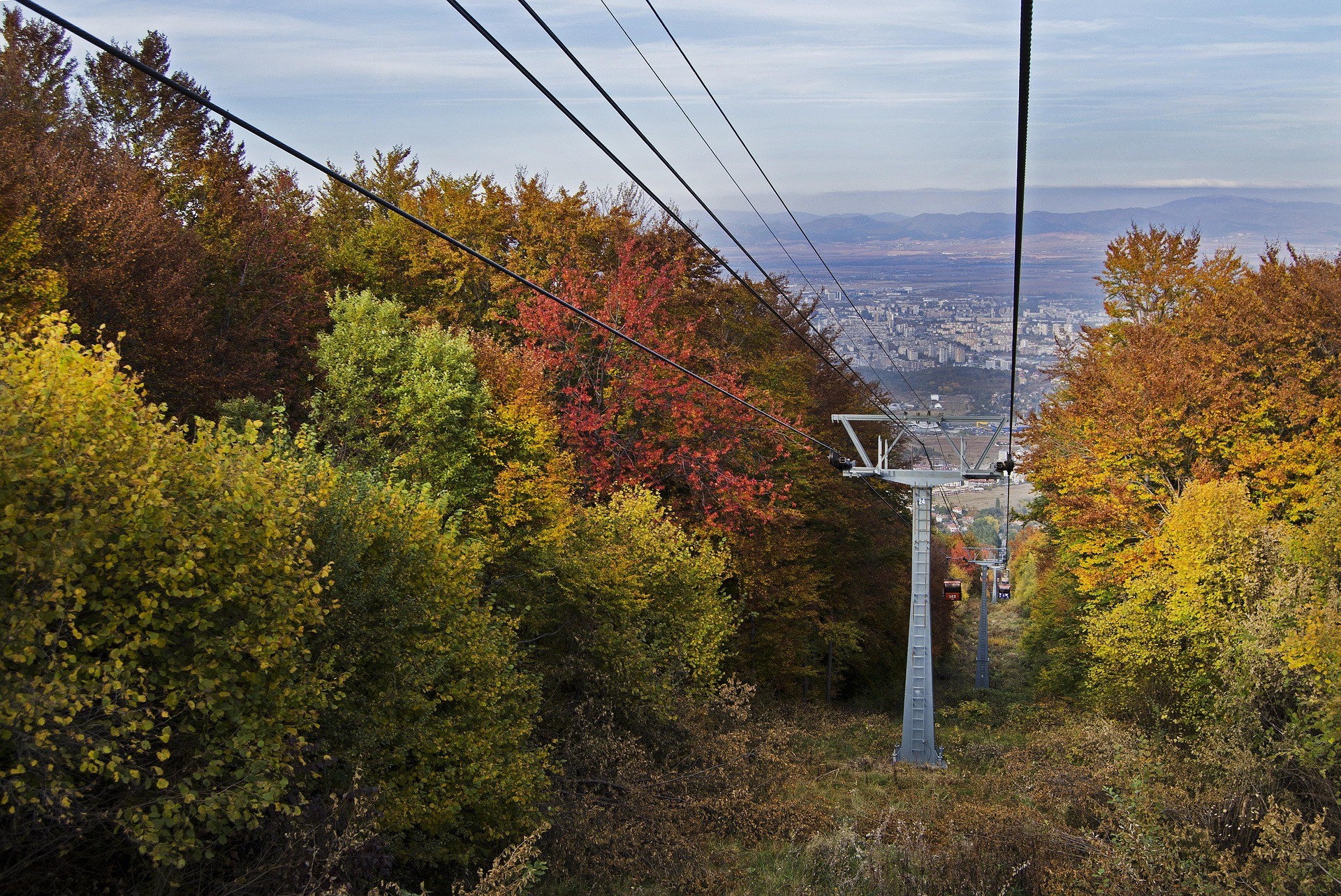
Ask anyone who lives in Sofia when the city is at its best, and most will say September. The summer heat breaks, temperatures drop to a comfortable 20-25°C, and the city comes back to life as locals return from their holidays and students flood back for the university term. It's Sofia at full capacity, running on all cylinders.
September feels like summer's cooler, more put-together sibling. The days are warm, the nights are crisp, and the light over the city - especially with Vitosha Mountain in the background - is something else. October brings the first real chill (10-15°C) and the surrounding hills start turning gold and red, which makes Vitosha hikes genuinely stunning.
This is also when the craft beer bars and cocktail bars hit their stride. The bartenders are rested after the summer lull, new seasonal menus roll out, and the bars are packed with locals who actually know what they're drinking. If you care about Bulgarian drinking culture, autumn is the best time to experience it authentically.
By late October, temperatures dip enough that you'll need a proper jacket at night, and November brings grey skies and rain that signals the shift toward winter. If you're targeting autumn, aim for September or early October.
Weather: 10-25°C. September is warm; October gets cool fast
Crowds: Moderate to high. The city buzzes with energy
Prices: Shoulder season pricing. Great value overall
Best for: Bar culture, hiking, cultural events, experiencing "real" Sofia
Winter in Sofia (November - February) - Cold, Cheap, and Underrated
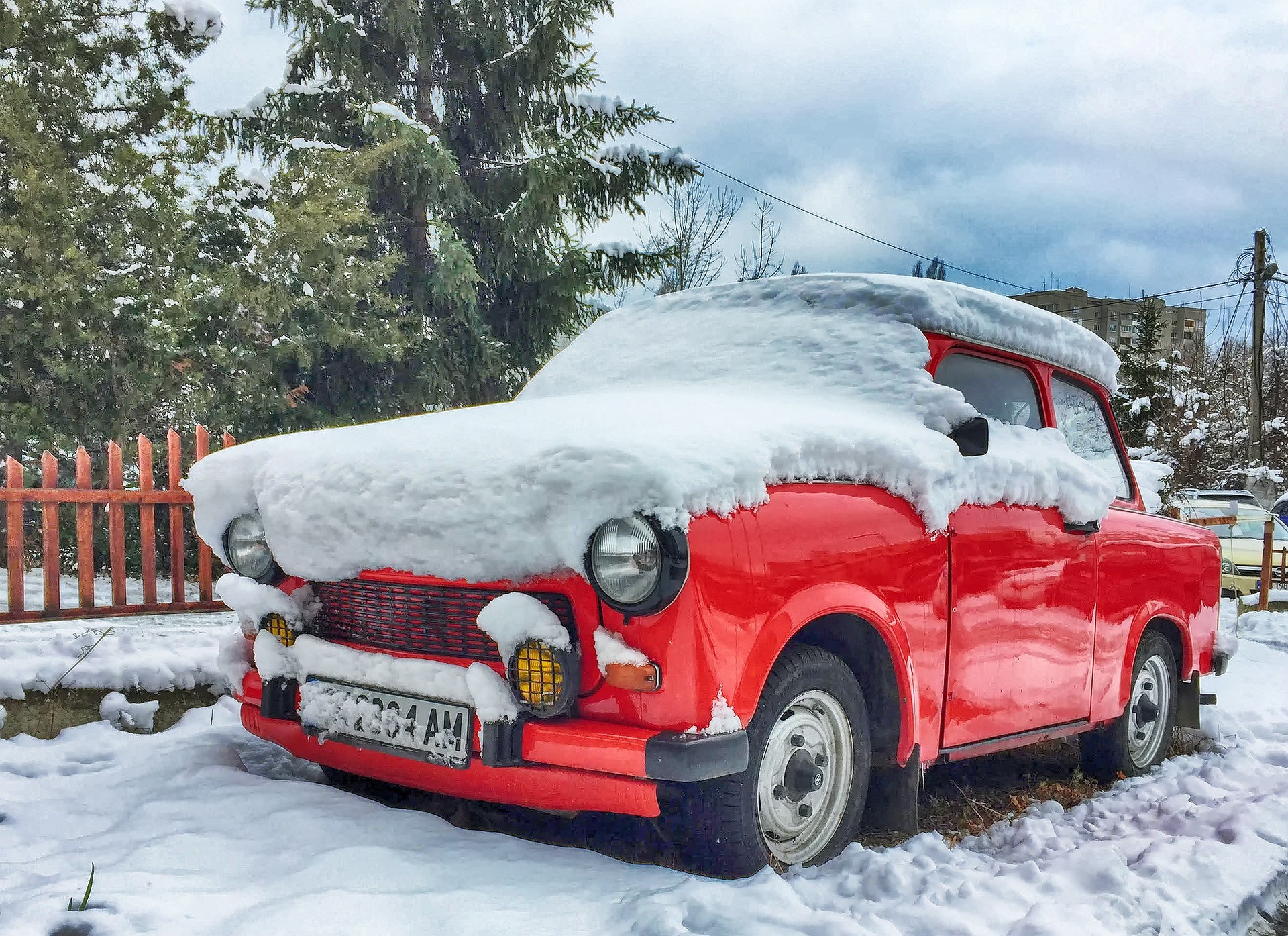
Winter in Sofia is not for the faint-hearted. Temperatures regularly drop below freezing between December and February, and the city sees proper snowfall - not the grey slush you get in London, but thick blankets of white that make the Alexander Nevsky Cathedral look like it belongs on a postcard. Average winter temperatures sit between -5°C and 5°C, and January nights can hit -10°C or colder.
But if you dress for it, winter Sofia has a lot going for it. Prices drop across the board - flights from Western Europe are at their cheapest, hotels slash rates, and you'll be spending less at restaurants and bars. For budget-conscious travelers, this is the most affordable time to experience the city. You can see our full cost breakdown for a Sofia night out - in winter, those already-low numbers shrink even further.
The Christmas market scene has grown a lot in recent years. The main market at the National Palace of Culture (NDK) runs from late November through late December, with mulled wine (greyano vino), roasted nuts, and handmade gifts. There's also a German-style market in the City Garden and smaller artisan fairs scattered around the center. The city added an ice-skating rink at NDK in recent years, and the festive atmosphere - while still developing compared to Vienna or Prague - has genuine charm.
Mount Vitosha, visible from practically everywhere in the city, sits just 30 minutes from the center and offers skiing and snowboarding. It's not the Alps, but for a quick afternoon on the slopes without leaving the city, it's hard to beat. Serious skiers can make a day trip to Bansko, about two hours south.
The bar scene shifts indoors for winter, which means the basement bars, wine bars, and rakija spots come into their own. There's something about drinking a homemade rakija in a candlelit basement bar while snow falls outside that just works. If you want to go deeper, a rakija and wine tasting is the right move for winter.
One thing to note: late January brings the Surva Festival in nearby Pernik, where costumed performers in massive fur outfits and bells perform ancient rituals to scare off evil spirits. It's one of the most unique cultural events in the Balkans and well worth the 40-minute trip from Sofia.
Weather: -5°C to 5°C. Snow is common December through March
Crowds: Very low. You'll have the city mostly to yourself
Prices: Rock bottom. Flights, hotels, and food are all cheaper
Best for: Budget trips, Christmas markets, skiing, cozy bar culture
Sofia's Nightlife Doesn't Have an Off-Season
One thing that stays consistent regardless of when you visit: Sofia goes out. The clubs open around 10 PM and don't close until breakfast, the bars pour drinks until the last person leaves, and there's no "dead" season for nightlife the way there is in some European capitals.
The crowd shifts with the seasons - more international in summer, more local in autumn and winter - but the energy stays. The student population alone (Sofia has 25 universities) keeps the bars full most of the year. Studentski Grad, the student district, is its own world of all-night clubs and chalga bars, while the center keeps things more polished with craft cocktail spots, jazz bars, and underground clubs.
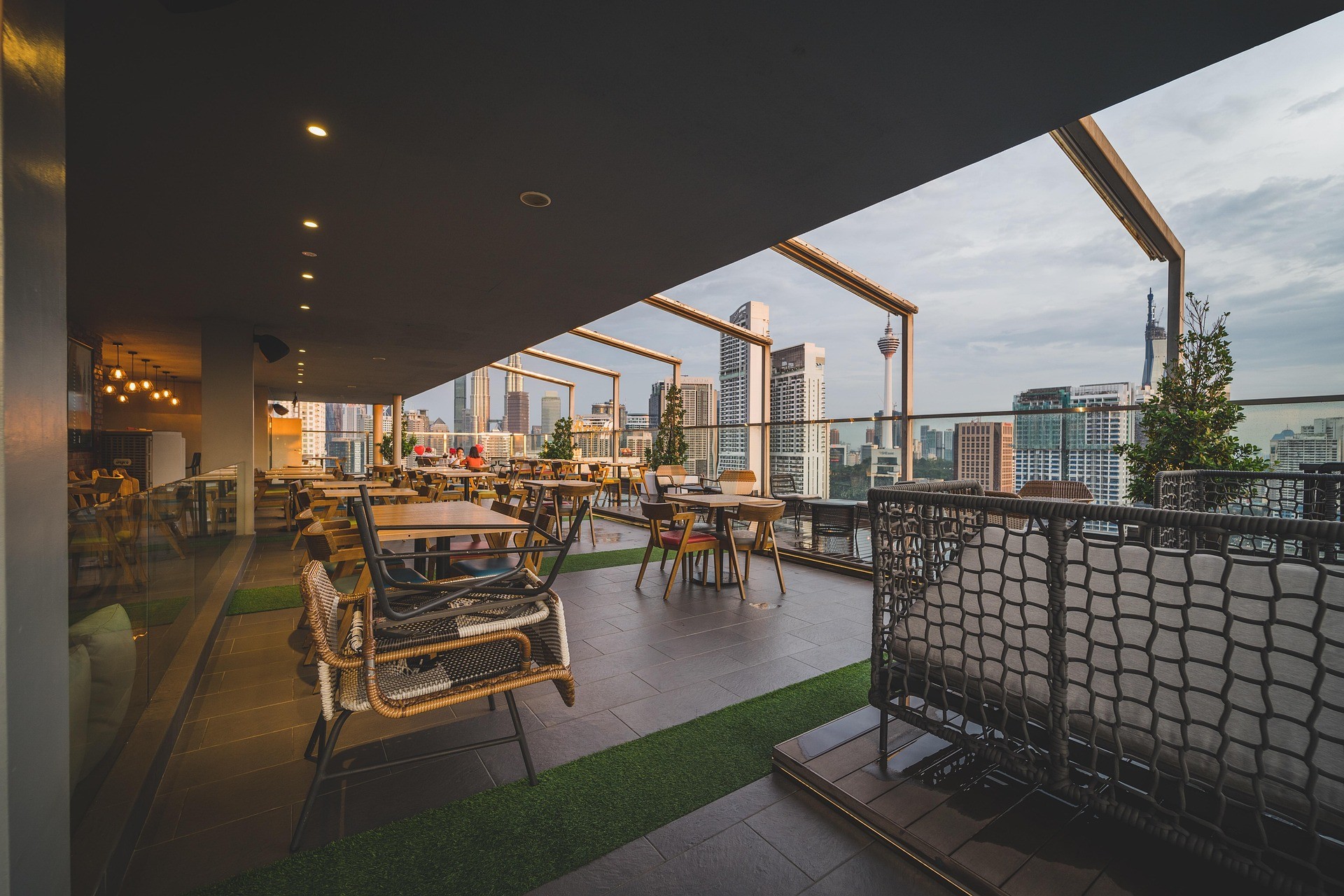
What does change seasonally is where you drink. Summer means rooftop bars, garden terraces, and open-air clubs. Check out the best rooftop bars if you're visiting between May and September. Winter pushes everything underground - literally. Sofia's basement bar culture is one of the city's best features, and you only really get the full experience when it's cold enough outside to appreciate being tucked into a dimly lit space with good music and cheap drinks.
The best clubs in Sofia run year-round. Places like Yalta and Terminal 1 don't take months off. Neither do the smaller spots like Hambara, One More Bar, or Bar Petak. Friday and Saturday nights are always the main events, but Thursday has become a legitimate going-out night too, especially during the university term.
When to Visit Sofia for Specific Trips
Weekend trip: September or May. Best weather-to-crowd ratio, everything is open, and you can pack in sightseeing and nightlife without fighting the elements. Plan your Sofia weekend trip itinerary around these months.
Stag do or bachelor party: Late spring through early autumn (May - September). You want outdoor terraces, warm evenings for bar crawling, and the full range of stag do activities available - party buses, cabaret shows, the works. The stag do planning guide covers the full breakdown.
Solo travel: Any season works, but autumn and spring make it easiest to meet people. The hostel crowd is strong, bars are welcoming, and the city is walkable in mild weather. Read the solo travel Sofia guide for specifics.
Food and drink focus: Autumn for wine harvest season and new rakija. Winter for hearty Bulgarian comfort food and cozy tasting sessions. Our whiskey tastings and beer tours run year-round.
Budget trip: Winter (December - February) for rock-bottom prices on everything. You sacrifice outdoor activities but gain cheaper flights, hotels, and an authentic local atmosphere.
8 Things to Do in Sofia Year-Round
No matter when you land, these are always on the table:
Join The Original Sofia Pub Crawl - every Friday and Saturday at 9 PM. Four bars, a welcome beer, three shots, and free VIP club entry for 21 EUR. We've been running these since 2014 and have organized over 1,000 crawls. It's the fastest way to find the bars you'd never stumble into on your own and meet people from all over the world
Try rakija with locals at a traditional mehana. Order the homemade stuff and ask your server which fruit variety they recommend
Walk Vitosha Boulevard for coffee, shopping, and people-watching
Visit the Alexander Nevsky Cathedral - free entry, and it looks incredible in every season
Eat a proper shopska salad and banitsa at a local restaurant, not a tourist trap
Explore the Roman ruins at Serdica - they're literally under the city streets, accessible from the metro station
Hike (or ski) on Mount Vitosha, 30 minutes from the city center
Catch a show at the National Opera and Ballet, with tickets often under 15 EUR
FAQ
What is the best month to visit Sofia?
September is the consensus pick among locals and repeat visitors. The summer heat has faded, the city is full of energy, and the weather sits around 20-25°C - warm enough for outdoor terraces but cool enough for comfortable walking. May is a close second, especially if you want fewer tourists.
Is Sofia worth visiting in winter?
Yes, if you're prepared for the cold. Winter Sofia offers the cheapest prices in Europe, Christmas markets, skiing on Vitosha Mountain, and some of the coziest bar experiences you'll find anywhere. Temperatures drop well below freezing, so pack accordingly. It's a different city in winter - quieter, moodier, and more intimate.
How many days do you need in Sofia?
Three to four days is the sweet spot. That gives you time to see the main sights, explore the bar and restaurant scene properly, and take a day trip to Rila Monastery or Vitosha Mountain. A weekend trip works if you're short on time, but you'll be moving fast.
Is Sofia good for nightlife year-round?
Absolutely. Sofia's nightlife runs every week of the year. The bars and clubs don't close for seasons. What changes is the setting - summer means outdoor terraces and rooftop bars, winter means underground spots and candlelit basement bars. Friday and Saturday are always the biggest nights, and most clubs stay open until sunrise.
Is Sofia expensive to visit?
No. Sofia is one of the cheapest capitals in Europe. A draft beer costs 4-6 EUR, cocktails run 8-12 EUR at a decent bar, and a full night out across three or four bars typically costs 40-70 EUR including food. In winter, prices are even lower. Compared to Western European cities, you'll spend roughly half as much for the same quality of experience.
What should I drink in Sofia?
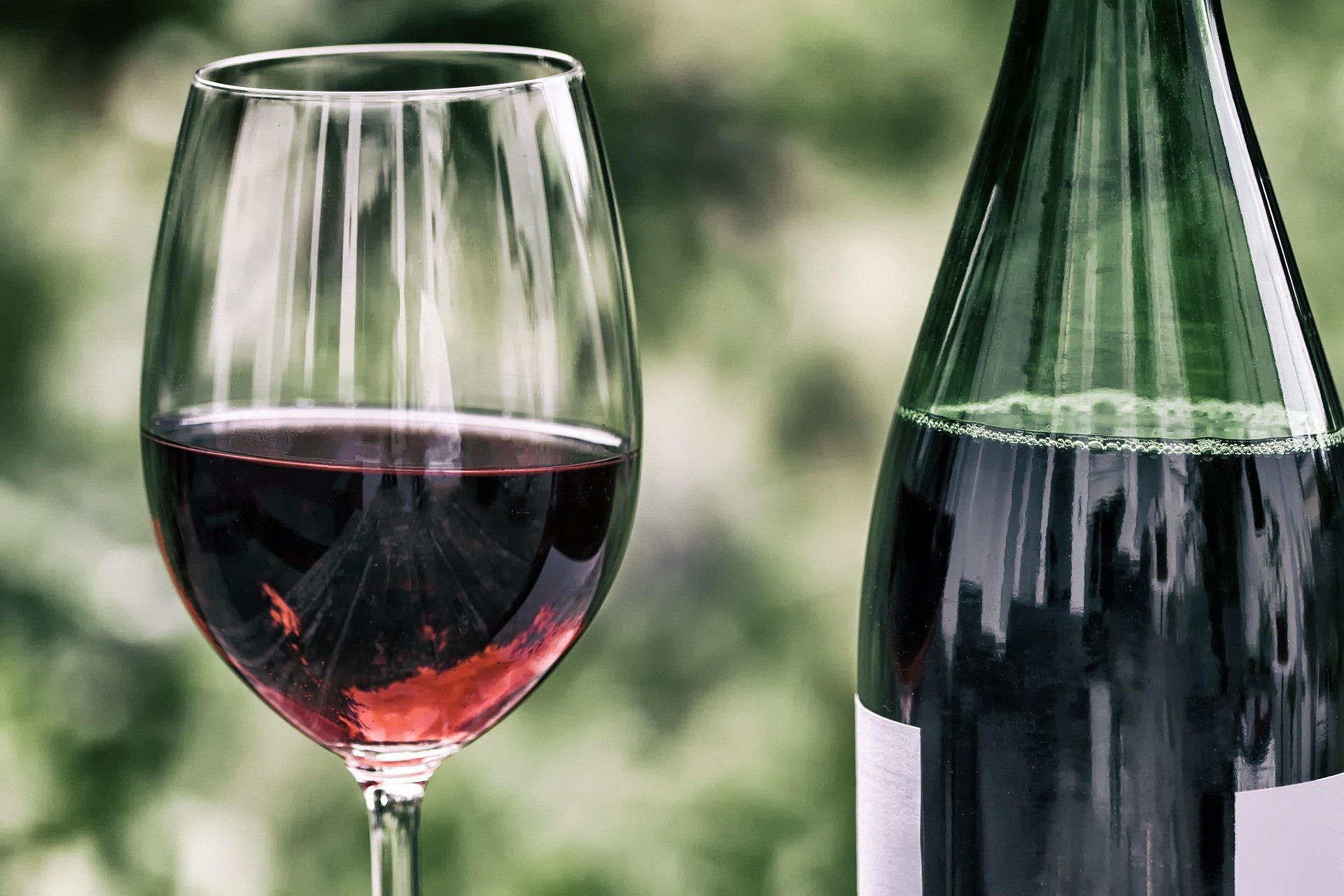
Start with rakija - Bulgaria's national spirit. It's a fruit brandy, usually made from grapes, plums, or apricots, and it's served at nearly every bar and restaurant. Bulgarian wine is seriously underrated too, especially the reds from the Thracian Valley. And if you're into craft beer, Sofia's craft beer scene has grown fast. For a full overview, check our guide on what to drink in Bulgaria.